SQLite vs PostgreSQL: A Detailed Comparison
March, 09 2026. 5 minutes read.
Many students was asked about when we use SQLite and PostgreSQL. The answer is quite simple. Since both databases serve according to which stage the app development is in.
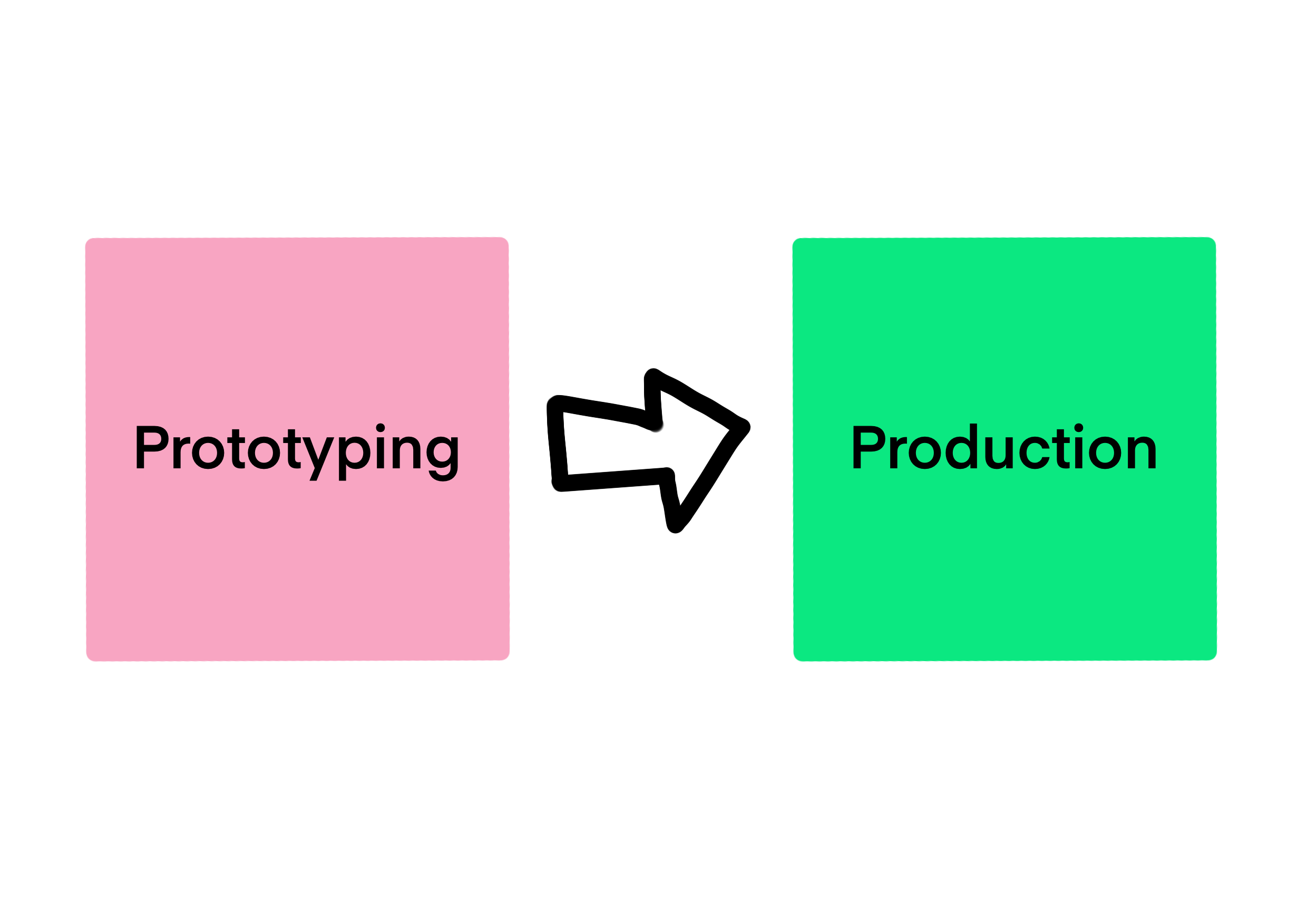
The simple stages for app development are Prototyping and Production. So if we are in the early stage of development (prototyping), definitely use SQLite 3. And PostgreSQL is suitable for the production stage.
This post provides a comparative analysis of Bun's native SQLite (bun:sqlite) and PostgreSQL to help understand their architectural differences, performance characteristics, and ideal use cases.
Core Architecture
Bun:SQLite (bun:sqlite)
- Embedded: Runs inside your application's process.
- Storage: Reads and writes directly to a single file on your disk (e.g.,
cars.db). - Zero Latency: Since it's just a function call within your app, there is effectively zero network overhead.
PostgreSQL
- Client-Server: Runs as a separate process (often on a different computer/server).
- Storage: Manages its own complex file system structure.
- Networked: Your application connects to it over a network (TCP/IP), incurring latency for every query.
Performance Comparison
| Feature | Bun:SQLite | PostgreSQL |
|---|---|---|
| Read Speed (Latency) | Extremely Fast (Microseconds). Best for simple point queries. | Slower (Milliseconds). Every query requires a network round-trip. |
| Write Concurrency | Low. Only one writer can modify the database at a time. | High. Handles thousands of concurrent writes using MVCC (Multi-Version Concurrency Control). |
| Read Concurrency | High. Multiple readers can access data simultaneously (especially in WAL mode). | Very High. Scales massively with connection pooling and read replicas. |
| Data Size Limit | Practical limit around 10-100 GB. Performance degrades with massive datasets. | Petabytes. Designed for massive scale with partitioning and clustering. |
| Setup Complexity | Zero Config. Just import { Database } from 'bun:sqlite'. |
Complex. Requires installing server software, managing users, permissions, and backups. |
Why Bun:SQLite is Special
Bun's implementation of SQLite is significantly faster than Node.js alternatives (like better-sqlite3 or sqlite3) because:
- Direct C++ Bindings: It skips the overhead of converting data between JavaScript and C++.
- Optimized Memory: It leverages Bun's internal memory management to make queries faster.
When to Use Which?
Use Bun:SQLite when:
- Learning & Prototyping: Like in our MonolithBun and WebServiceBun projects. Instant setup.
- Read-Heavy Apps: Content sites, blogs, or dashboards where data is read often but written rarely.
- Embedded / Edge: Running on constrained devices (Raspberry Pi) or edge functions.
- Testing: Perfect for integration tests; spin up a fresh DB in milliseconds.
Use PostgreSQL when:
- High Write Traffic: Applications like social networks with thousands of concurrent writes.
- Complex Data: Need for advanced features like JSONB, Geospatial data (PostGIS), or complex stored procedures.
- Multi-App Access: Multiple services (e.g., Python backend, Go worker, Bun API) need to access the same data simultaneously.