The use of Lecturer Based Supportive Tools (LBST) as Data Provider for Indonesian Lecturer Administrative Problems
Authors: Irwan Alnarus Kautsar¹², Yasuo Musashi¹, Shin-Ichiro Kubota³, Kenichi Sugitani¹
¹ Computer Science and Electrical Engineering, Kumamoto University, Japan
² Universitas Muhammadiyah Sidoarjo, Indonesia
³ Computer Science and Systems Engineering, University of Miyazaki, Japan
Published in: 2015 International Electronics Symposium (IES), pp. 223–226
DOI: 10.1109/ELECSYM.2015.7380845
IEEE: https://ieeexplore.ieee.org/document/7380845/
Abstract
Recently, Indonesia has more than 3,000 Higher Education Institutions, 300,000 lecturers, and 7.8 million higher education students. To handle those numerous stakeholders, the Directorate General Higher Education Indonesia Government (DGHEI, as the regulator of higher education institutions) has developed several websites as Information Systems (IS). The developed information system was used to manage information attached to the stakeholders' entities, projected for open public data access.
However, the Information Systems offered by DGHEI are not a single integrated portal, but several information systems not yet integrated. Moreover, DGHEI regulates lecturers to upload their entities such as portfolios and other supporting documents to these developed IS's. This causes time consumption, repetition activities, and data redundancy. These are called administrative problems.
Meanwhile, our current development Lecturer Based Supportive Tool (LBST) has been developed as lecturer assistance to enrich learning materials on limited bandwidth conditions. This paper discusses the use of LBST as a Data Provider to solve the administrative problems in Indonesian higher education environments. Instead of uploading into DGHEI information systems, lecturers use LBST as an alternative. As a result, LBST could be driven into a data provider that provides information needed by DGHEI or other data customers.
Keywords: Higher Education; Administrative Problems; Lecturer Based Supportive Tool
I. Introduction
Lecturers are the key role to enhance education quality in Higher Education Institutions [1], [2]. By 2014, Indonesia had 3,658 HEIs, 313,076 lecturers, and 7,857,927 higher education students [3]. With numerous students, lecturers were eager to use electronic media (LMS) to deal with the imbalance of lecturer-student ratio [4].
DGHEI offers several Information Systems to look after data attached to higher education entities: FORLAP, SERDOS, and SIPKD [5]. Although designed to provide public domain access, they need lecturer involvement to complete the data. DGHEI obligates lecturers to record their academic activities and report into designated Information Systems. This condition impacts lecturer performance, because they must simultaneously adapt to DGHEI regulations and use an LMS for their academic activities.
To tackle these problems, we propose to use the developed LBST not only as a supportive tool to enrich learning materials, but also as a data provider to solve the administrative problems.
II. Problems Analysis
A. Lecturer as Learning Materials Authors
LMS was chosen by lecturers because it offers flexibility, customization, and 24/7 content access. However, good LMS's need rich learning materials — one of the lecturer's roles. Especially in Indonesia, using LMS as a daily basis remains ineffective due to:
1) Bandwidth Limitation — LMS is deployed on a server in the public domain, so use remains ineffective in limited bandwidth conditions [6].
2) Ease of Installation — Since LMS is a web application, it needs pre-configuration of the web server, database, and the LMS itself when a lecturer needs to use it on a local machine. This is not user-friendly.
B. Lecturer and Administrative Task
By DGHEI regulation, lecturers must report their academic activities (teaching and research) into the DGHEI Information Systems, and update their portfolios and supporting documents periodically. This creates two main problems:
1) Time Consuming — Even though the information systems can be used anytime, lecturers must follow the period time decided by DGHEI and upload documents into the designated systems (SIPKD, FORLAP, or SERDOS).
2) Repetition and Data Redundancy — Because DGHEI Information Systems are not integrated into a single system, lecturers do repetition activities. When there are updates, data redundancy occurs on the DGHEI server.
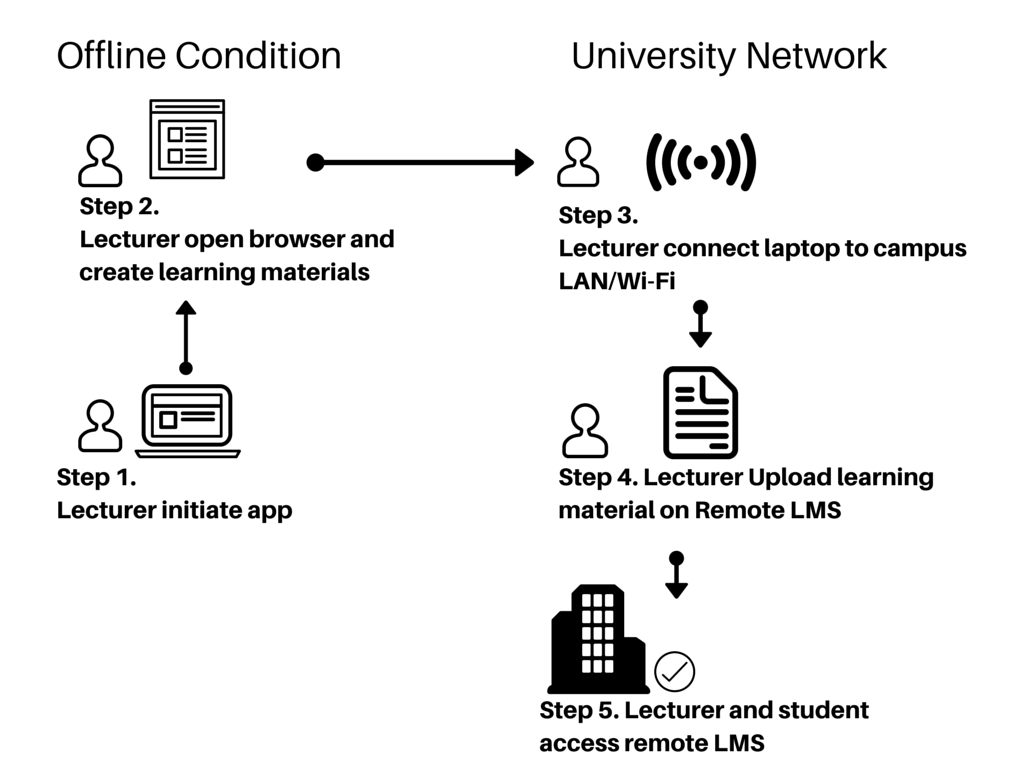 Fig. 1. Document redundancy on DGHEI information system (STUDI DIKTI)
III. Lecturer Based Supportive Tool (LBST)
A. LBST as an Authoring Tool
LBST was proposed to solve common problems when lecturers need to use e-learning daily: bandwidth limitation and ease of installation [7]. With LBST, lecturers author learning materials offline, then upload created material into existing LMS's.
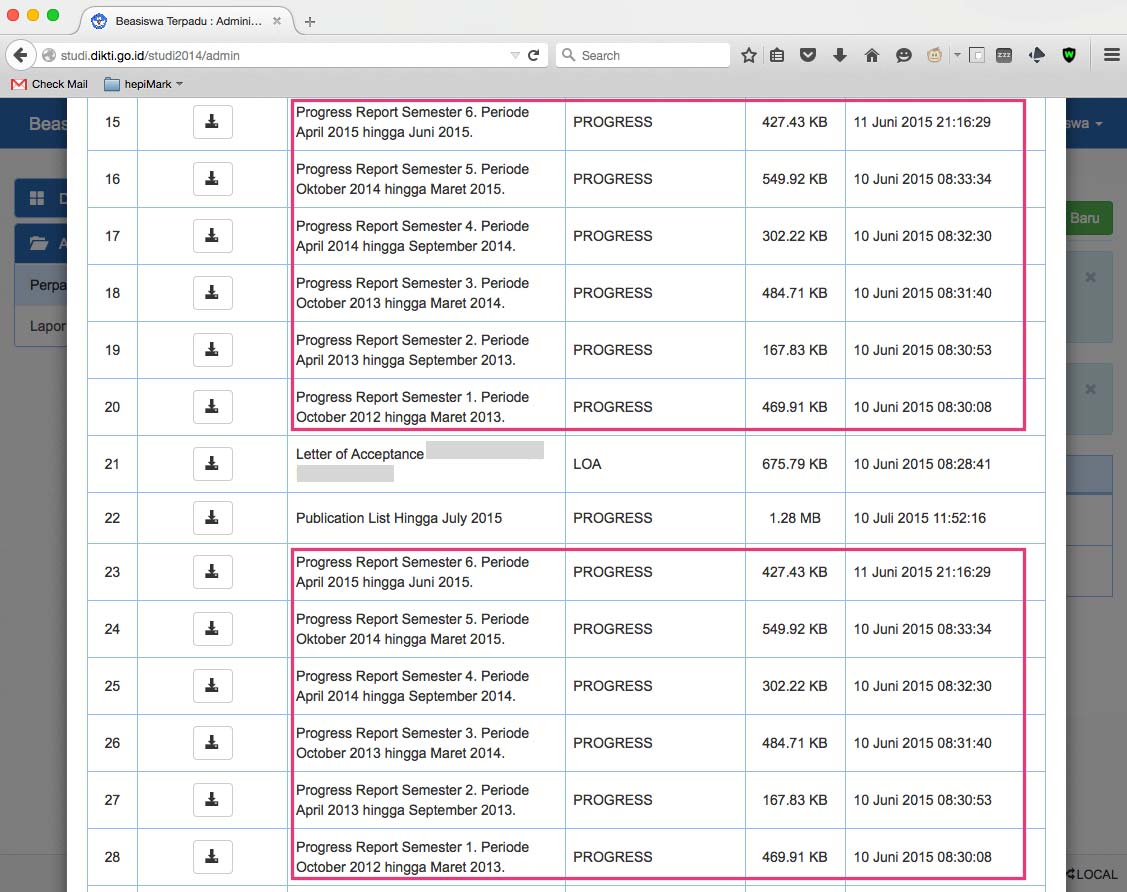 Fig. 2. The use of LBST for bandwidth limitation solutions
To use LBST, a lecturer only needs to run a single script to initiate the application. It activates a web server where the lecturer can start authoring learning materials. Compared with web-based LMS's like Moodle (which require complex installation and pre-configuration for offline use), LBST is simple.
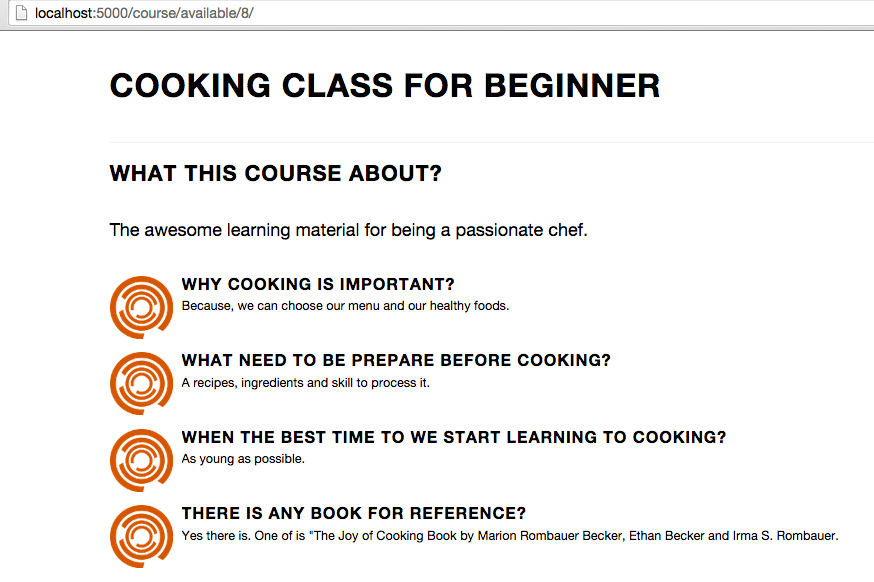 Fig. 3. Lecturer Based Supportive Tool front page
B. LBST as Data Provider for Administrative Task
The lecturer has been proposed to be a Pivot Data Provider to solve administrative problems with the REST approach [5]. In this paper, LBST and created material are proposed to be used as portfolios and to store supporting documents. LBST could solve those problems if:
- LBST has a feature enabling lecturers to record academic activities, portfolios, and upload supporting documents (needed by DGHEI for lecturer certification per Indonesia Act No.14/2005 and Ministry of National Education No.47/2009)
- LBST is able to upload into the designated information system determined by DGHEI or other public data customers
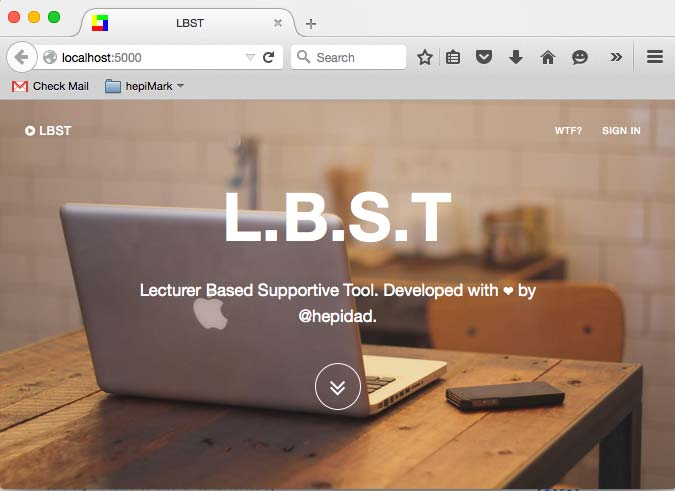 Fig. 4. Example created learning materials on the LBST
Table I. Comparison of LBST as Authoring Tool and Data Provider
| # | LBST – Authoring Tool | LBST – Data Provider |
|---|---|---|
| 1 | Authoring learning material and uploading to remote LMS | Authoring portfolios and uploading supporting documents to designated Information Systems |
| 2 | Synchronize created materials with remote LMS | Synchronize created portfolios and uploaded documents from LBST into designated Information Systems |
| 3 | Provide created learning materials directly from LBST | Provide created portfolios and uploaded supporting documents directly from LBST |
To enable LBST to become a data provider does not need extreme re-engineering. The needed portfolios can be generated from existing learning materials or uploaded files.
IV. Implementation
Three important features needed on LBST:
A. Portfolio from Created Learning Materials
By using created materials, lecturers can make portfolios by selecting the desired learning materials.
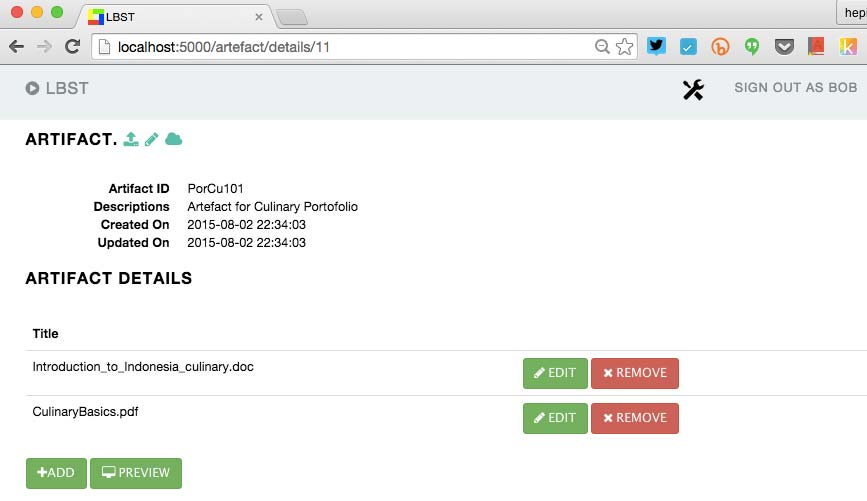 Fig. 5. Learning material selection for building portfolio
B. Upload Supporting Documents
Lecturers might have previous portfolio documents from word processors or PDF reports. All documents/evidence from academic activities are called artifacts. LBST provides virtual storage for lecturer artifacts.
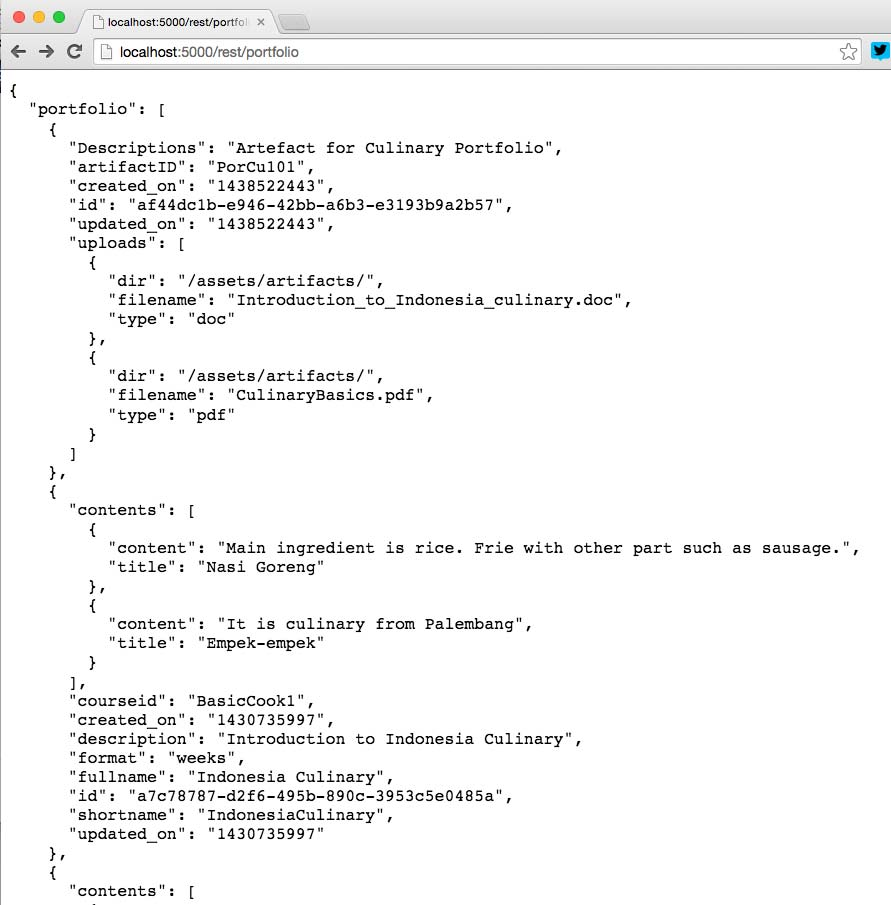 Fig. 6. Virtual storage for supporting documents/artifacts on LBST
C. LBST as Data Provider
The last and most important feature: expose the created portfolios and uploaded artifacts through web services, so LBST could act as a Data Provider. REST web services were developed to expose created portfolios and uploaded artifacts.
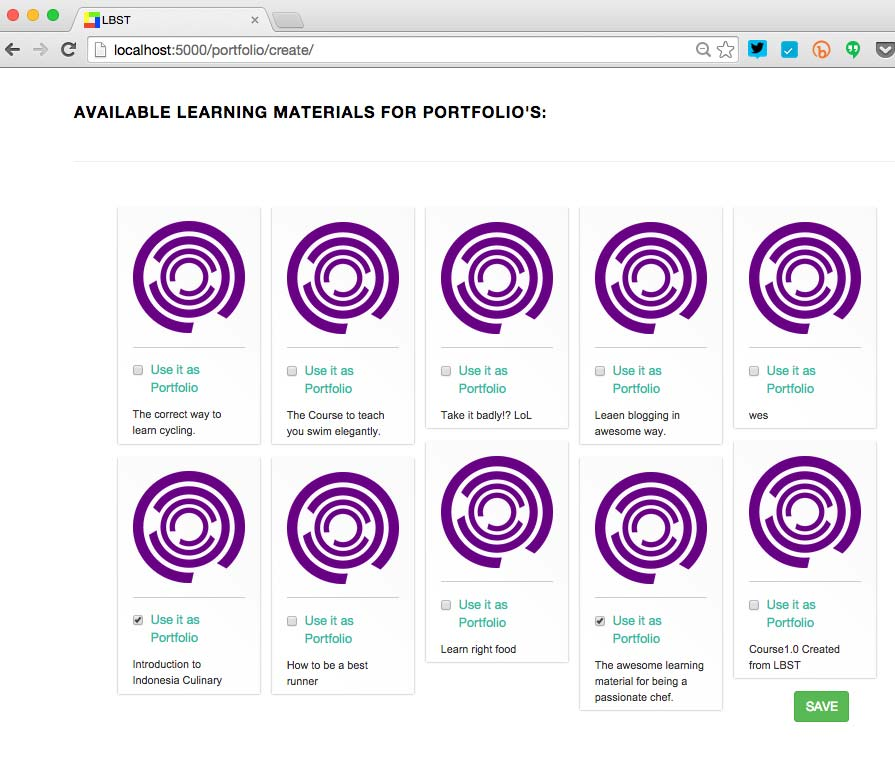 Fig. 7. Expose created portfolios and uploaded supporting documents/artifacts
V. Conclusion and Future Work
LBST has been proposed to create portfolios from created materials and provide virtual storage for supporting documents/artifacts. LBST is an alternative system to upload the necessary information regulated by DGHEI (portfolios, supporting documents showing evidence of academic activities).
By exposing the lecturer's academic evidence as portfolios and artifacts, it becomes possible to grab data from the lecturer's machine running LBST. This means lecturers do not need to upload to DGHEI information systems — the lecturer's machine/laptop becomes a data provider for public data consumers. This approach eliminates time consumption, repetition activities, and data redundancy. Lecturers are then free to focus on authoring learning materials.
Future work: real-time collaboration to create portfolios in pair work, and discussion of security aspects when exposing lecturer resources.
References
[1] M. A. Conde et al., "Perceived openness of Learning Management Systems by students and teachers," Computers in Human Behavior, vol. 31, pp. 517–526, 2014.
[2] S. Paragina et al., "The Moodle course management system and its e-learners needs," Procedia - Social and Behavioral Sciences, vol. 15, pp. 1226–1230, 2011.
[3] Directorate General Higher Education (2014), FORLAP. http://forlap.dikti.go.id
[4] R. Godwin Jones, "Merging Technologies challenging Hegemonies in Online Learning," Language Learning and Technology, vol. 16, no. 2, pp. 4–13, 2012.
[5] I. A. Kautsar, S. I. Kubota, Y. Musashi, K. Sugitani, "Redefining Data Provider: The REST approach to solve Indonesia lecturer administrative problems," IEEE-TALE, Wellington, 2014, pp. 175–178.
[6] R. Johnson et al., "The learning computer: low bandwidth tool that bridges digital divide," references.
[7] I. A. Kautsar et al., prior work on Lecturer Based Supportive Tool.
This is a preprint (author self-archived) version. The version of record is available at IEEE Xplore.