Platform Design Canvas Adaptation for Rapid Prototyping and Project-based Learning amid Covid-19 Pandemic
Authors: Irwan Alnarus Kautsar¹, M. Ruslianor Maika²
¹ Informatics Departments, Faculty of Science and Technology, Universitas Muhammadiyah Sidoarjo, Indonesia
² Shariah Banking, Islamic Faculty, Universitas Muhammadiyah Sidoarjo, Indonesia
Published in: 2022 IEEE World Engineering Education Conference (EDUNINE), Bogotá, Colombia
DOI: 10.1109/EDUNINE53672.2022.9782390
IEEE: https://ieeexplore.ieee.org/document/10102884
Abstract
This article discusses how students can use Platform Design Canvas to help them construct a prototype for a Project-based Learning assignment. Project-based learning was carried out by students with an interdisciplinary background. The Platform Design Canvas is a new approach to software development that aims to improve alignment between design thinking and business goals. The Platform Design Canvas was introduced as an acceleration tool for rapid prototyping, based on the Business Model Canvas, to assure the efficiency and productivity of platform ecosystems. As a result, more than 65 percent of students think that Platform Design Canvas adaptation is suitable for examining features and defining business goals for prototyping. According to the Log Metric Analysis, Students accomplished a designated task in less than 5 minutes with minimal repetition. This shows that the proposed adaption is uncomplicated to use and that the Platform Design Canvas is effective for rapid prototyping.
Keywords: Platform Design Canvas, rapid prototyping, Project-based Learning, Covid-19
I. Introduction
Covid-19 pandemic not only affects the economic and humanitarian aspect [1]–[4], but also the academic/education sectors [5]–[7]. Positively, Covid-19 pushes human creativity into new cultures such as remote work or work from home [7]–[9]. The most appropriate learning model for implementing social distance and self-quarantine is remote learning [6], [10], [11].
On the other hand, to create innovation, students need to implement their knowledge from the classroom into real-world problem solving [12]–[14]. In the context of the educational system, those activities are normally called Project-based Learning [15].
Students need to be supported by some prototyping framework and supportive tools to help implement Project-based learning in a remote culture [12], [16], [17]. Furthermore, lecturers need to monitor and analyze student activities for evaluation matters [17].
This paper presents the adaptation of Platform Design Canvas on the current development supportive tool that helps lecturers and students not only to implement Project-based learning but also accelerate some innovation amid the Covid-19 pandemic.
II. Problem Analysis
A. Project-based Learning
Project-based Learning (PBL) is one kind of learning model that challenges students to solve real-world problems [18]–[20]. The key components of the PBL method include:
- Challenging students with the need for some systems or incomplete existing digital service, then encouraging them to complete it
- Promoting self-discipline and self-regulation by allowing students to define their working hours, timeline and outcome
- Encouraging teamwork and interdisciplinary collaboration [16], [19], [21]
The Indonesian Government pushed lecturers to adopt Project-based Learning and/or Outcome-based Education through the program named Merdeka Belajar Kampus Merdeka (MBKM) [22], [23].
To implement Project-Based Learning, students were assigned to develop a real-world application by choosing one topic from the following:
- Digital product that is needed by students themselves
- Digital product that is needed to mitigate Covid-19
- Digital product that is needed by people with disabilities
- Digital product that is enhanced from existing product
- Digital product that aligns with sharia compliance on commerce transaction
Students were asked to form groups with 10 members each. From this point, the research question arises:
RQ1: "How to support lecturers and students to implement Project-Based Learning amid Covid-19 pandemic?"
B. Rapid Prototyping
Rapid prototyping is a software development method that emphasizes fast, iterative development cycles and a modest number of features [24]–[26]. Rapid prototyping does not aim to create a finished product [24], [27]. The idea is to construct something that uses technology or platform as rapidly as possible so that it can deliver or grasp the technology or platform's strengths and drawbacks [24], [27].
The Rapid Prototyping simple phase is illustrated in Fig. 1.
 Fig. 1. Three simple phases of rapid prototyping
The three simple phases that can easily be followed by students:
1. Ideation
The team discusses one or more initial platform ideas. The idea is presented in some visual representation that describes the design specifications, user interaction, or just an explanation of the existing real-world problems.
2. Evaluation
The idea that has been developed into a prototype is shared with other team members and stakeholders. Students could conduct some focus group discussions to align the developed platform to the intended end-users.
3. Enhancement
The goal of the evaluation phase is mainly to get feedback. After that, the design process returns to the evaluation phase for more feedback. This process is repeated until no more changes are made or a defined cut-off is achieved (either a date, iterations, or a finished product). It also includes developing a new version of the developed platform.
From those three simple steps, another research question arises:
RQ2: "What is the suitable platform design framework that helps students conduct rapid prototyping and can be used by lecturers to implement Project-based Learning?"
III. Proposed Method
To answer previous research questions, we propose to develop a web-based supportive tool that can be used in both online and offline conditions. Today's web-based framework like Flask and Python library called WSGI made it possible to develop web-based supportive tools that work in both online and offline conditions [28], [29].
In this paper, we propose the use of Platform Design Toolkit to help students design platforms and prototypes as their assignments. Also, we have developed extended features on current development supportive tools to assist students adapting a Platform Design Canvas as part of Platform Design Toolkit.
A. Platform Design Toolkit
Platform Design Toolkit (PDT) has been developed to help developers not only understand business models but also align the design process with design thinking [31], [32].
To use PDT, developers need to explore the existing system and needed features. After exploration, the developer team designs a platform strategy. Furthermore, the developer team validates the exploration features to then define the strategies needed in developing the platform so that it has grown.
The stages of PDT are illustrated in Fig. 2.
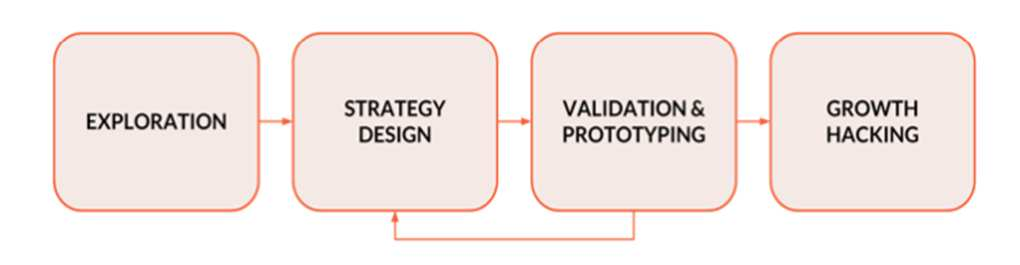 Fig. 2. Platform Design Toolkit macro phases [33]
The four macro phases of PDT:
- Exploration — Students explore the platform ecosystem that is being developed.
- Strategy Design — Students define the core value platform by designing the business model.
- Validation & Prototyping — Students validate the proposed business model with several prospective users by developing a Minimum Viable Product (MVP).
- Growth Hacking — Students design a strategy about how the platform built becomes more relevant and growing (Growth/Scale-Up).
The PDT method was chosen because the PDT framework was aligned with the basic objectives of Project-based Learning. Moreover, the new PDT version 2.2 was released in May 2021 so students were involved in this study have the opportunity to obtain learning materials and experience in implementing the up-to-date platform development framework.
The adaptations of the proposed method are illustrated in Fig. 3.
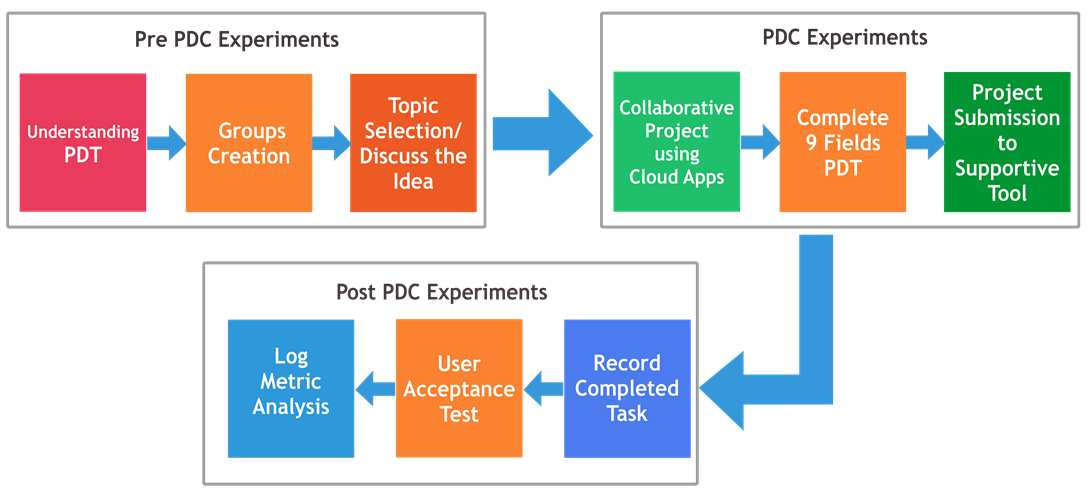 Fig. 3. Proposed Platform Design Toolkit adaptation
B. Platform Design Canvas
Platform Design Canvas is fully inspired by Business Model Canvas [34]. Using PDC, students were asked to describe 9 elements:
-
Platform Owners — The platform's "owners" who have the vision for the market's manifestation and are responsible for ensuring that the platform is always engaged in productive activities.
-
Platform Stakeholders — Entities with a vested interest in the platform's success or failure, in managing platform externalities and outcomes, in regulating the platform, or in exercising platform governance functions.
-
Peers — Individuals or small-to-medium-sized businesses who act as a single distinct entity with a specific interest and purpose that the platform's value proposition must match. - Peer Producers (PP): Entities that provide value on the supply side of the market ecosystem. - Peer Consumers (PC): Entities that are interested in consuming, utilizing, accessing the value created through and on the platform.
-
Partner — An entity that seeks to create additional professional value, not the main value but is closely related in collaboration with the platform owner.
-
Transactions — Sub-actions in which value is created, assigned, transferred, or traded between entities.
-
Channel and Context — How Platform Value Propositions are delivered to Peers.
-
Services — What services need to exist on the developed platform: - Enabling Services: Assisting partners in generating value from their professional talents. - Empowering Services: Assisting peer producers in starting transactions and improving on the platform. - Other Services: Delivered to Peer Consumers as complimentary of platform ecosystems.
-
Value Propositions — Core Value Propositions (main value) and Ancillary Value Propositions (extended value for additional profits).
-
Infrastructure & Core Components — Entities/assets controlled and owned by the platform owner. These components ensure the platform is functional and usable by the ecosystem.
C. Collaboration Supportive Tool
To adapt Platform Design Canvas as Project-based Learning, we developed a Supportive Tool for students to collaborate designing the platform. Students were provided PDC templates on the developed supportive tools (Fig. 4). After collaboration, students submitted their PDC's final version via an online form (Fig. 5). The developed supportive tool records student activities while accessing PDC templates, saved as Log Data (Fig. 6).
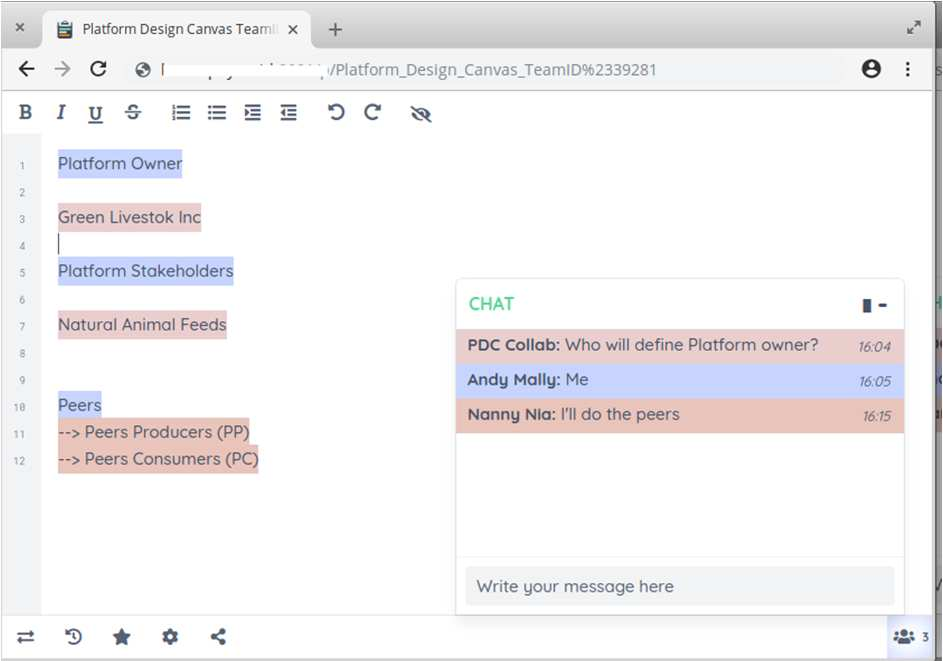 Fig. 4. Collaborative PDC Templates at developed Supportive Tool
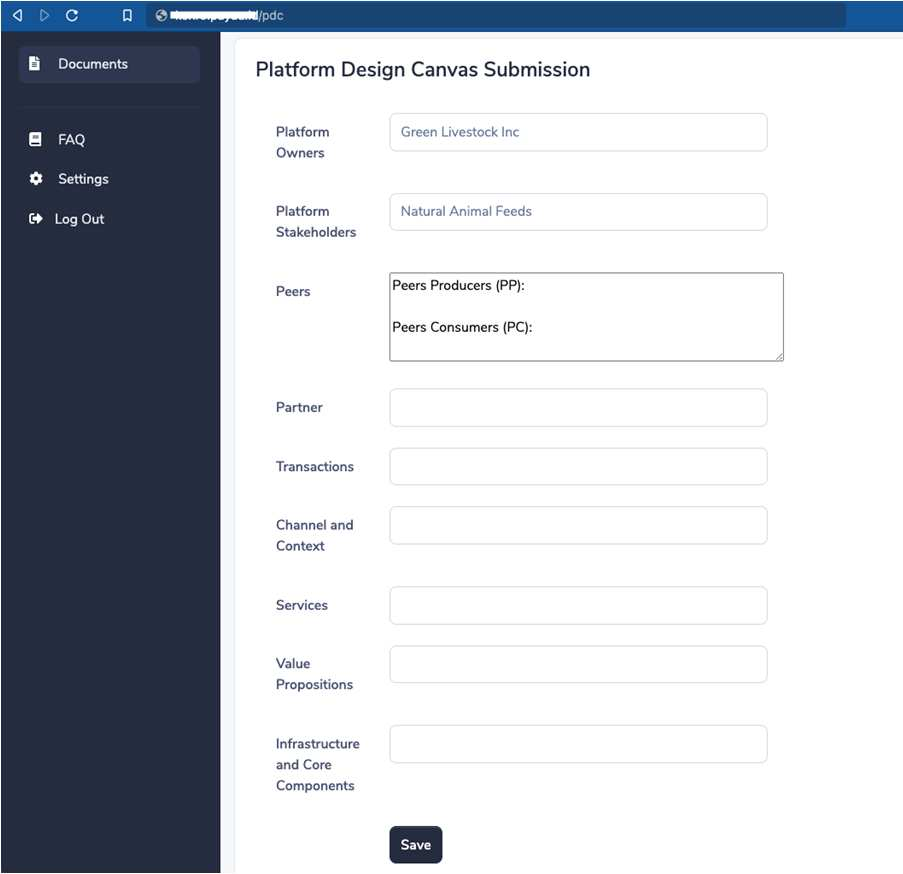 Fig. 5. PDC Templates web form
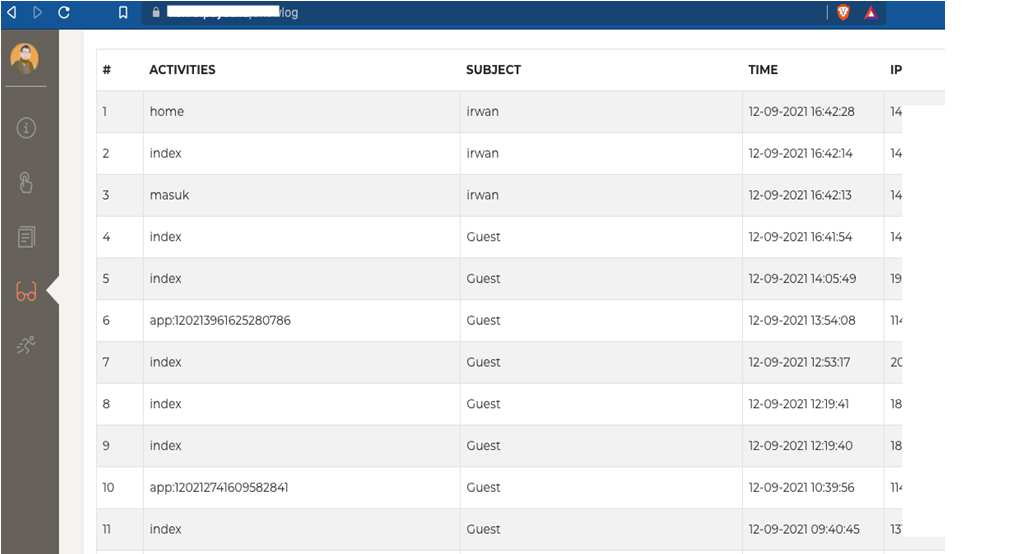 Fig. 6. Supportive Tool Log Systems
IV. Results and Discussions
This section will cover the results of the questionnaire and log metrics regarding the use of PDC for rapid prototyping. Furthermore, all participants were asked to complete the designated questionnaire before using or learning PDC.
A. Results
The total number of students that participated is 134 students formed into 18 groups.
Table I. Pre-Experiment Questions for Students
| # | Questions | Yes (%) | No (%) |
|---|---|---|---|
| 1 | Have students experienced Project-based Learning? | 86 | 14 |
| 2 | Have students developed some platforms? | 79 | 21 |
| 3 | Are students familiar with some rapid prototyping tools? | 24 | 76 |
| 4 | Do students ever collaboratively develop platforms? | 28 | 72 |
| 5 | Do students ever learn or use Platform Design Toolkit/Canvas? | 2 | 98 |
Table II. Post-Experiment Questions for Students
| # | Item Description |
|---|---|
| 1 | Project-based learning suitable as a learning model amid Covid-19 |
| 2 | PDC helps explore the business models |
| 3 | PDC helps validate the proposed idea |
| 4 | PDC helps to scale up the prototype |
| 5 | Using PDC as the framework for the next project |
| 6 | The developed supportive tool helps collaboration in a remote manner |
| 7 | Developed supportive tool accommodates prototyping using PDC |
| 8 | Given instructions are easy to follow |
Using Likert scale formula:
$$P = \frac{N \times R}{I} \times 100\%$$
Where: - P = Each question's percentage value - N = The value of each instrument's response - R = The frequency of answered value - I = The number of participants × highest value (134 × 5 = 670)
The Likert percentage results are shown in Fig. 7.
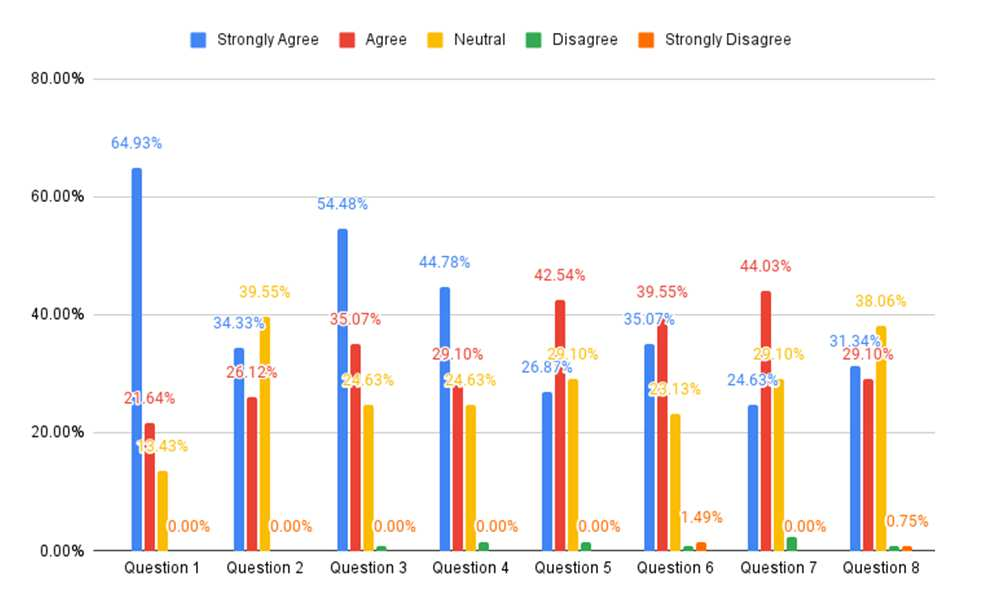 Fig. 7. Likert percentage of students perceptions
Next, we record the accomplished time each student uses a built-in developed logger. This logger was used for knowing how much time is needed by students to finish each field in the PDC. Based on the required finished time, we had categorized 134 students into 3 groups. Which are students that finished the given task in less than 5 minutes, 5 to 10 minutes, and more than 10 minutes. The results are shown in Fig. 8.
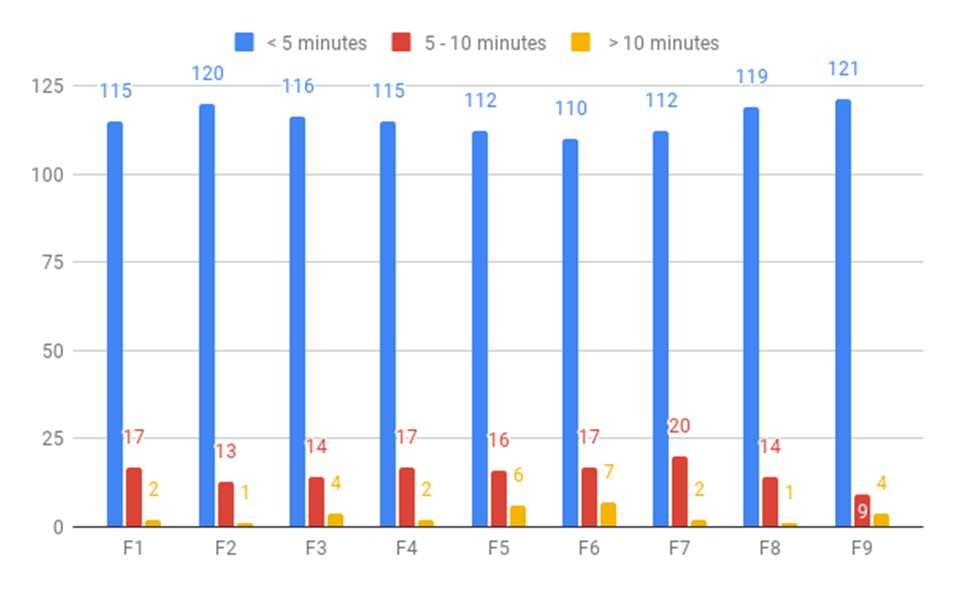 Fig. 8. Log Metric Data
B. Discussions
From Fig. 7, the use of existing cloud applications and supporting tools allows students to collaborate remotely. Key findings:
- 64.93% of students thought Project-based Learning is suitable as a learning model amid Covid-19 pandemic
- 39.55% of students felt neutral about PDC helping define business models
- 54.48% of students felt PDC could validate the proposed idea
- 42.54% of students were willing to use PDC in the next project
From Fig. 8, according to Log Metric Data, students mostly accomplished the PDC elements in less than 5 minutes. This indicates that students are not having difficulties while adapting Platform Design Canvas on the current development supportive tools.
V. Conclusions and Future Works
The Platform Design Canvas (PDC) is a new software development approach that tries to better match design thinking with business goals. To ensure the efficiency and productivity of platform ecosystems, PDC was designed as an acceleration tool for fast prototyping based on the Business Model Canvas.
Key conclusions: - Over 60% of students confirm Platform Design Canvas adaption is appropriate for assessing business models - More than 64% of students agree that the developed supportive tools could accommodate prototyping using PDC - Students accomplished designated tasks in less than 5 minutes with minimal repetition
Future work: It is possible to explore and combine the PDC with other tools such as Design Sprint for prototyping.
Acknowledgment
This work was funded by Kementerian Pendidikan, Kebudayaan, Riset dan Teknologi (Contract Number: 022/AMD-SP2H/LT-MULTI-TERAPAN/LL7/2021, 503.02/II.3AU/14.00/C/VII/2021). The authors also thank Universitas Muhammadiyah Sidoarjo for their support for this publication.
References
[1] S. Faridi et al., "The effect of COVID-19 pandemic on human mobility and ambient air quality around the world," Urban Clim., vol. 38, p. 100888, 2021.
[2] M. C. Van Hout and J. S. G. Wells, "The right to health, public health and COVID-19," Public Health, vol. 192, pp. 3–7, 2021.
[3] A. Suárez-González et al., "The effect of COVID-19 isolation measures on the cognition and mental health of people living with dementia," EClinicalMedicine, vol. 39, p. 101047, 2021.
[4] R. Zeidan, "Obstacles to sustainable finance and the covid19 crisis," J. Sustain. Finance Invest., pp. 1–4, 2020.
[5] S.-H. Kim and S. Park, "Influence of Learning Flow and Distance E-Learning Satisfaction on Learning Outcomes," Nurse Educ. Pract., p. 103197, 2021.
[6] S. Al Salman et al., "School off, learning on: identification of preference and challenges among school students towards distance learning during COVID19 outbreak," Int. J. Lifelong Educ., vol. 40, no. 1, pp. 53–71, 2021.
[7] M. Aristeidou and S. Cross, "Disrupted distance learning: the impact of Covid-19 on study habits," Open Learn. J. Open Distance E-Learn., pp. 1–20, 2021.
[8] D. Susilo et al., "Village public innovations during COVID19 pandemic in rural areas," Cogent Soc. Sci., vol. 7, no. 1, p. 1905919, 2021.
[9] M. Treve, "What COVID-19 has introduced into education: challenges Facing Higher Education Institutions," High. Educ. Pedagog., vol. 6, no. 1, pp. 212–227, 2021.
[10] A. J. Machado Júnior and H. F. Pauna, "Distance learning and telemedicine in the area of Otorhinolaryngology," Braz. J. Otorhinolaryngol., vol. 86, no. 3, pp. 271–272, 2020.
[11] L. J. Faherty et al., "School and preparedness officials' perspectives on social distancing practices," Prev. Med. Rep., vol. 14, p. 100871, 2019.
[12] E. Gomez et al., "Innovation Born in Isolation: Rapid Transformation of an In-Person Medical Student Radiology Elective to a Remote Learning Experience," Acad. Radiol., vol. 27, no. 9, pp. 1285–1290, 2020.
[13] C. C. Deneen et al., "Students' conceptions of eportfolios as assessment and technology," Innov. Educ. Teach. Int., vol. 55, no. 4, pp. 487–496, 2018.
[14] M. Marques et al., "Enhancing the Student Learning Experience in Software Engineering Project Courses," IEEE Trans. Educ., vol. 61, no. 1, pp. 63–73, 2018.
[15] A. Benešová and J. Tupa, "Requirements for Education and Qualification of People in Industry 4.0," Procedia Manuf., vol. 11, pp. 2195–2202, 2017.
[16] I. A. Kautsar and R. Sarno, "A Supportive Tool for Project Based Learning and Laboratory Based Education," Int. J. Adv. Sci. Eng. Inf. Technol., vol. 9, no. 2, pp. 630–639, 2019.
[17] I. Mushtaque et al., "Students' Attitude and Impact of Online Learning; Role of Teachers and Classmate Support During the Covid-19 Crisis," Perform. Improv., vol. 60, no. 5, pp. 20–27, 2021.
[18] D. G. Cox and K. S. Meaney, "Lights, Camera, Project-Based Learning!," Strategies, vol. 31, no. 1, pp. 23–29, 2018.
[19] M. Genc, "The project-based learning approach in environmental education," Int. Res. Geogr. Environ. Educ., vol. 24, no. 2, pp. 105–117, 2015.
[20] S. K. W. Chu et al., "The effectiveness of wikis for project-based learning in different disciplines in higher education," Internet High. Educ., vol. 33, pp. 49–60, 2017.
[21] M. Barak and S. Yuan, "A cultural perspective to project-based learning and the cultivation of innovative thinking," Think. Ski. Creat., vol. 39, p. 100766, 2021.
[22] S. M. Indrawati and A. Kuncoro, "Improving Competitiveness Through Vocational and Higher Education: Indonesia's Vision For Human Capital Development In 2019–2024," Bull. Indones. Econ. Stud., vol. 57, no. 1, pp. 29–59, 2021.
[23] "The Impact of Covid-19 to Indonesian Education and Its Relation to the Philosophy of 'Merdeka Belajar'," Studies in Philosophy of Science and Education, 2020.
[24] C. A. Lauff et al., "The role of prototypes in communication between stakeholders," Des. Stud., vol. 66, pp. 1–34, 2020.
[25] D. Broderick et al., "The Use of Rapid Prototyping Facilitated by CAD-CAM Software in the Primary Management of Complex Zygomatic Fractures," J. Oral Maxillofac. Surg., vol. 77, no. 9, pp. e112–e113, 2019.
[26] I. A. Kautsar and M. R. Maika, "The use of User-centered Design Canvas for Rapid Prototyping," J. Phys. Conf. Ser., vol. 1764, no. 1, p. 012175, 2021.
[27] Q. Bao et al., "Interplay of sketching & prototyping in early stage product design," Int. J. Des. Creat. Innov., vol. 6, no. 3–4, pp. 146–168, 2018.
[28] I. A. Kautsar and R. Sarno, "The use of Microframework for Portable and Distributed ePortfolio Development," in 2019 IEEE TALE, pp. 1–6, 2019.
[29] A. Mohammed et al., "Eportfolio as a Tool of Learning, Presentation, Orientation and Evaluation Skills," Procedia - Soc. Behav. Sci., vol. 197, pp. 328–333, 2015.
[30] Y. Anistyasari et al., "Designing learning management system interoperability in semantic web," IOP Conf. Ser. Mater. Sci. Eng., vol. 296, p. 012034, 2018.
[31] A. Barni et al., "Integrating Agent Based Simulation in the Design of Multi-Sided Platform Business Model," in 2018 IEEE ICE/ITMC, pp. 1–9, 2018.
[32] R. Putra, "Mapping of Electronic Marketplace Business Model in Building Urban Electronic Marketplace," pp. 424–430, 2018.
[33] "Platform Design Toolkit," https://platformdesigntoolkit.com/
[34] S. AG, "Business Model Generation," https://www.strategyzer.com/books/business-model-generation
This is a preprint version. The final published version is available at IEEE Xplore.